
What Are the Differences Between Closed-Circuit and Open-Cir
The primary distinction lies in whether the cooling medium comes into direct contact with air, which leads to differences in water quality, maintenance requirements and capital cost.
Open-Circuit Cooling Towers
Circulating water is sprayed directly onto fill media and makes full contact with air for evaporative heat dissipation. They feature a simple structure, low initial cost and favorable heat transfer efficiency. On the downside, since water is exposed to ambient air, contaminants and algae can easily build up. Scaling occurs rapidly on fill and piping, requiring regular cleaning and chemical treatment. Water drift is also relatively high during operation.
Closed-Circuit Cooling Towers
The process fluid to be cooled circulates inside sealed coils without contacting air. A separate spray water system outside the coils performs evaporative cooling. The fluid inside the coils stays clean, free from scaling and clogging, with minimal water drift and low maintenance demand. The tradeoff is an extra heat transfer resistance through the coil wall, resulting in slightly lower thermal efficiency and higher upfront cost.
Selection Guide
Closed-circuit cooling towers are preferred for applications demanding strict water quality and protection against scaling and blockage, such as medium-frequency furnaces, data centers and precision cooling systems. Open-circuit cooling towers offer a cost-effective solution for conventional HVAC cooling and budget-sensitive projects. Neither type is universally superior. The final selection should be based on water quality requirements, operating costs and site conditions.
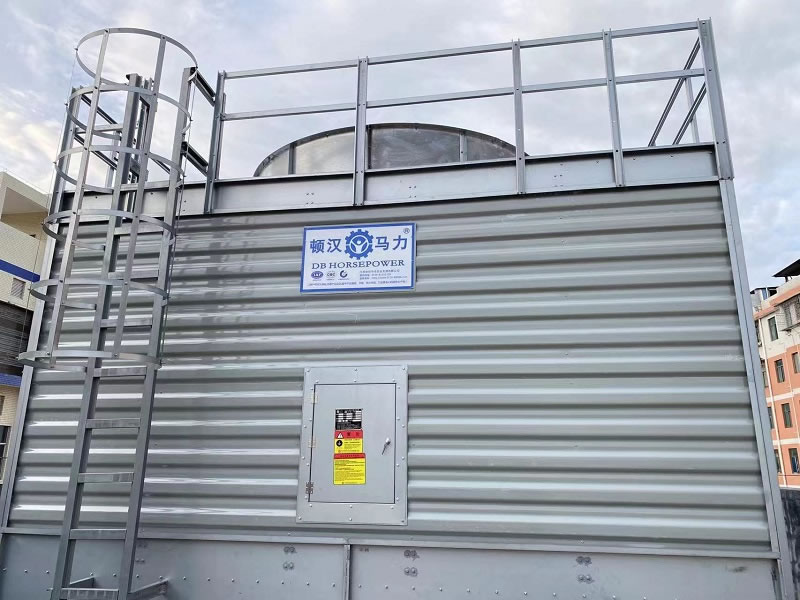
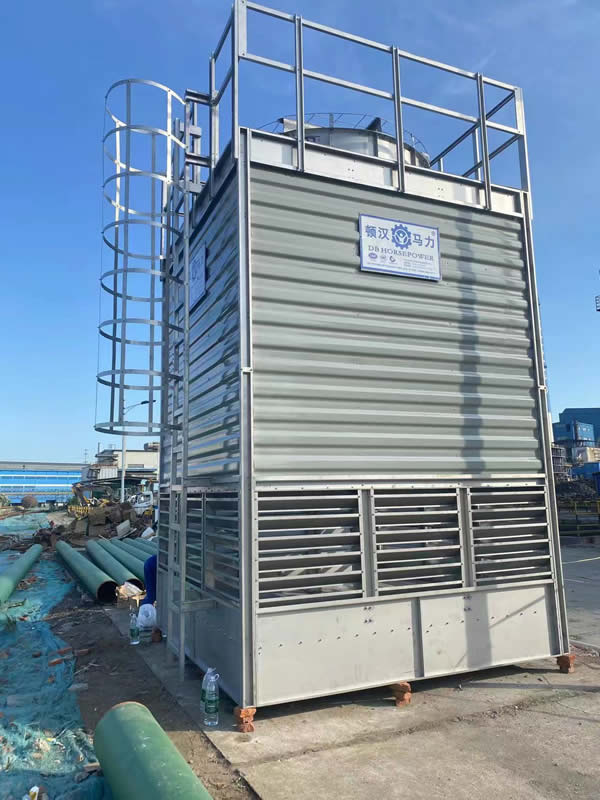
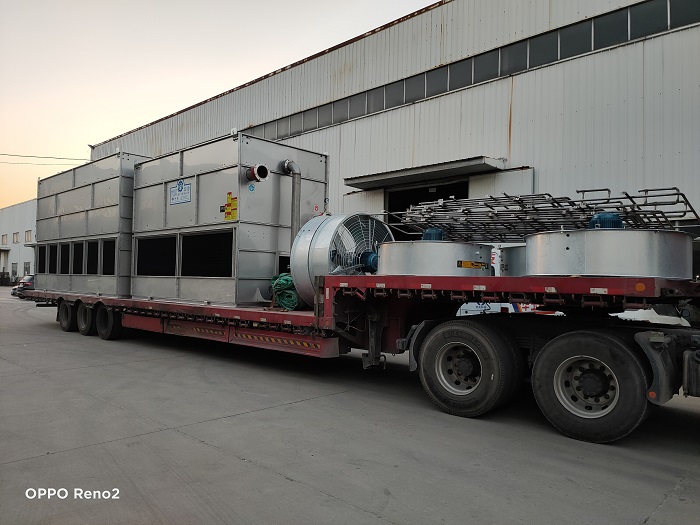
New Product
DB-HORSEPOWER BHL-H series clos
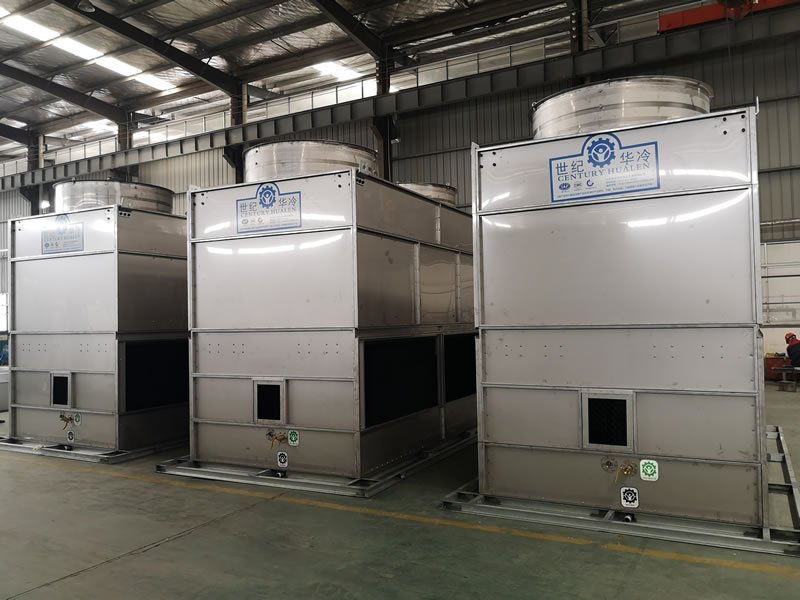
- Made in china - Jiangsu Century Hualeng Industrial Development Co., LTD Foc
cooling tower
Magnesium aluminum zinc steel-
DB-HORSEPOWER GTX-H series of h
Tonghan Mali GTX-N series high
DB-HORSEPOWER-GFNL Industrial
Ranking
- What Are the Differences Between Closed-Circuit and
- Counterflow vs Crossflow Cooling Towers: How to Choo
- Key Parameters Required for Cooling Tower Selection
- How should stainless steel cooling tower manufacture
- How to do a good job in cleaning fiberglass cooling
- How to reduce the noise during the operation of indu