
What are the differences between counter current cooling tow
Article source:未知editor-in-charge:adminpopularity:time:2025-06-10 13:01
What are the differences between counter current cooling towers and cross current cooling towers? Cross flow and counter flow are the basic modes of cooling towers, and a few mixed flow types can be mentioned. Cooling towers are either cross flow or counter flow.
The difference between counter current cooling tower and cross current cooling tower is as follows:
1. Different structural forms. Crossflow, also known as Crossflow, refers to the cross direction of wind and water flow; COUNTERFLOW is the combination of wind and current
Relative direction. This is the fundamental difference (in my opinion, the essential difference). In fact, the following differences can be said to be derived from this point.
2. Convenience of maintenance and repair. Most of the components of the cross flow are exposed and touchable, regardless of size, and can be inspected and done internally without stopping the machine
Cleaning up; The components of the reverse flow are basically wrapped inside the shell plate, which is not visible and not convenient for maintenance;
3. Size. Crossflow is generally rectangular (single fan), with a large width and a small length. The counter current is basically square, with consistent length and width. In terms of venue placement, similarly
The water volume, as a horizontal flow arrangement, may be slightly shorter in length.
4. Watering density. From a design perspective, the filling density of the cross flow tower is much higher than that of the counter flow tower.
5. Fill height. The packing height of a cross flow tower can theoretically be infinitely high, while the packing height of a counter flow tower is limited.
6. Flexibility in design. In fact, the design flexibility of cross flow towers is much greater than that of counter flow towers, as most domestic manufacturers and products mainly promote counter flow towers
The research on cross flow towers is far from sufficient. In theory, the design, fluid analysis, and thermodynamic calculation of a cross flow tower should also be called counter current complex.
7. Handling of large temperature differences. In terms of large temperature difference treatment, the cross flow tower can utilize the flexible design of packing height to achieve satisfactory results.
8. The cross flow tower has low noise, much lower float rate, and runs smoothly. As the middle of the cross flow tower is empty, maintenance is convenient and can be carried out without stopping the machine
And the structure is different, so the footprint is relatively smaller than that of a counter current tower. If you are a major project, we suggest using a cross flow tower. If you have less than 200 tons, we suggest using a counter flow tower
9. The installation height of the counterflow cooling tower is high, but it occupies a small area; The installation area and weight of the cross flow cooling tower are larger than those of the counter flow type, but the height is lower, and it is commonly used in situations with height restrictions such as building roofs
Keywords:
逆,流式,冷却塔,与,横,有何,不同,之处,逆,
Information
- Cooling tower manufacturer explains in detail the im
- Detailed introduction of daily maintenance knowledge
- The application range of closed cooling towers is ve
- What are the detailed characteristics of high temper
- The conditions that high-quality fiberglass cooling
- Principle and Construction of Circular Counterflow F
- Cooling Tower - The Generation and Hazards of Freezi
- Attention should be paid to issues when using a reve
- What should be paid attention to when connecting pip
- What issues should be noted when selecting a cooling
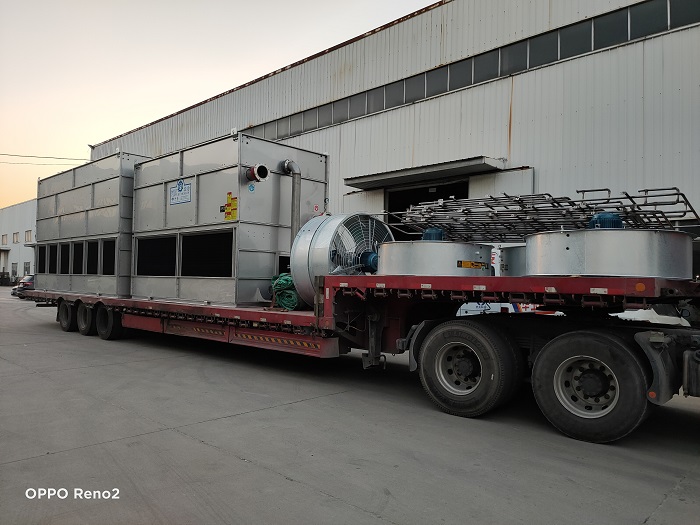
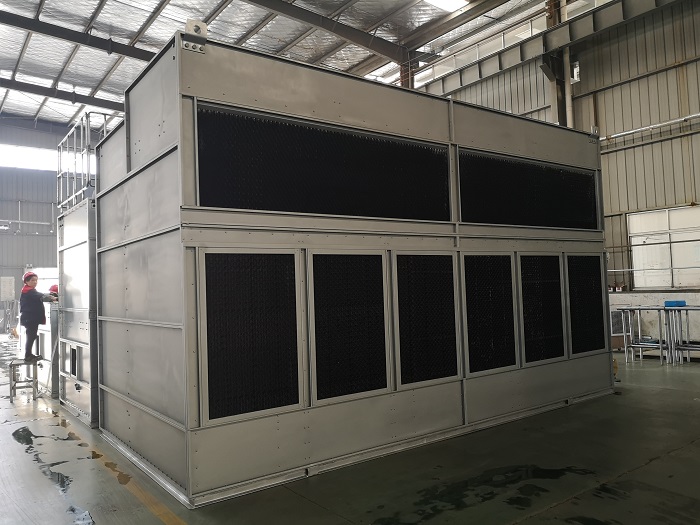
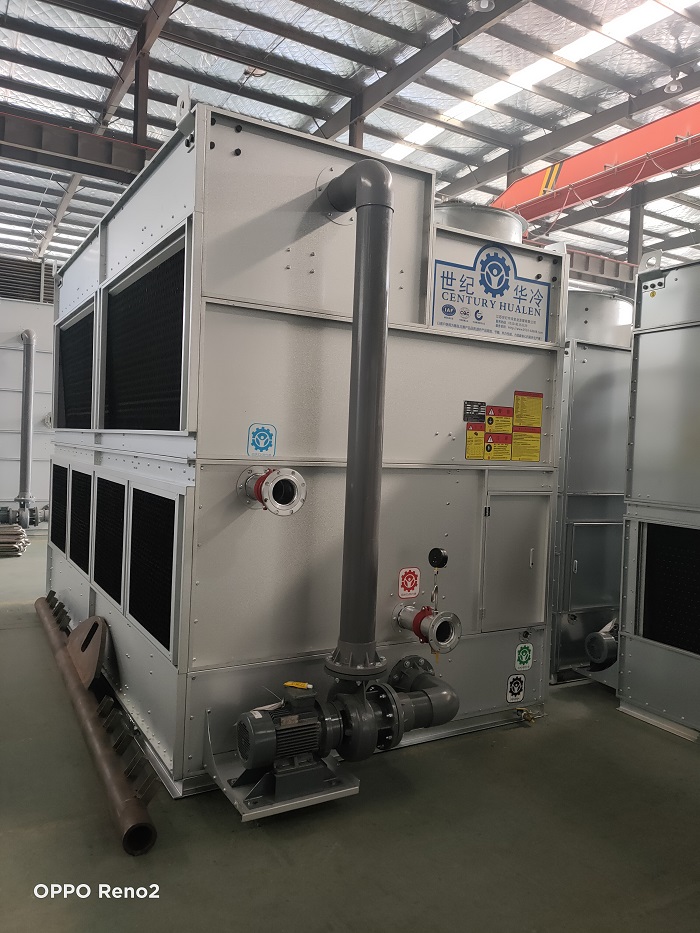
New Product
全不锈钢304 闭式逆流冷却
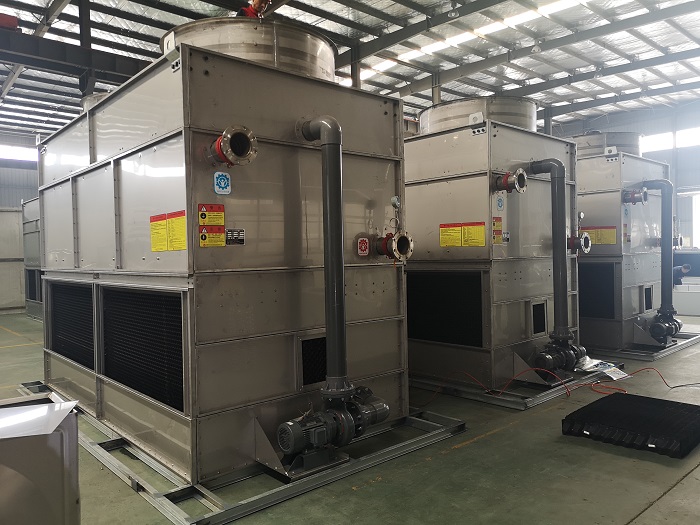
- 封闭式 逆流冷却塔 简介 闭式冷却塔 ---封闭式循环横流冷却
闭式逆流冷却塔
封闭式横流冷却塔冷却塔
顿汉马力 高效节能钣金横
顿汉马力 GTX-N 系列高效节
顿汉马力 GTX-H 系列高效节
Ranking
- Fiberglass cooling equipment promotes the formation
- Cooling tower manufacturer explains in detail the im
- Detailed introduction of daily maintenance knowledge
- The application range of closed cooling towers is ve
- What are the detailed characteristics of high temper
- The conditions that high-quality fiberglass cooling
- Principle and Construction of Circular Counterflow F
- What are the differences between counter current coo
- Cooling Tower - The Generation and Hazards of Freezi
- Attention should be paid to issues when using a reve